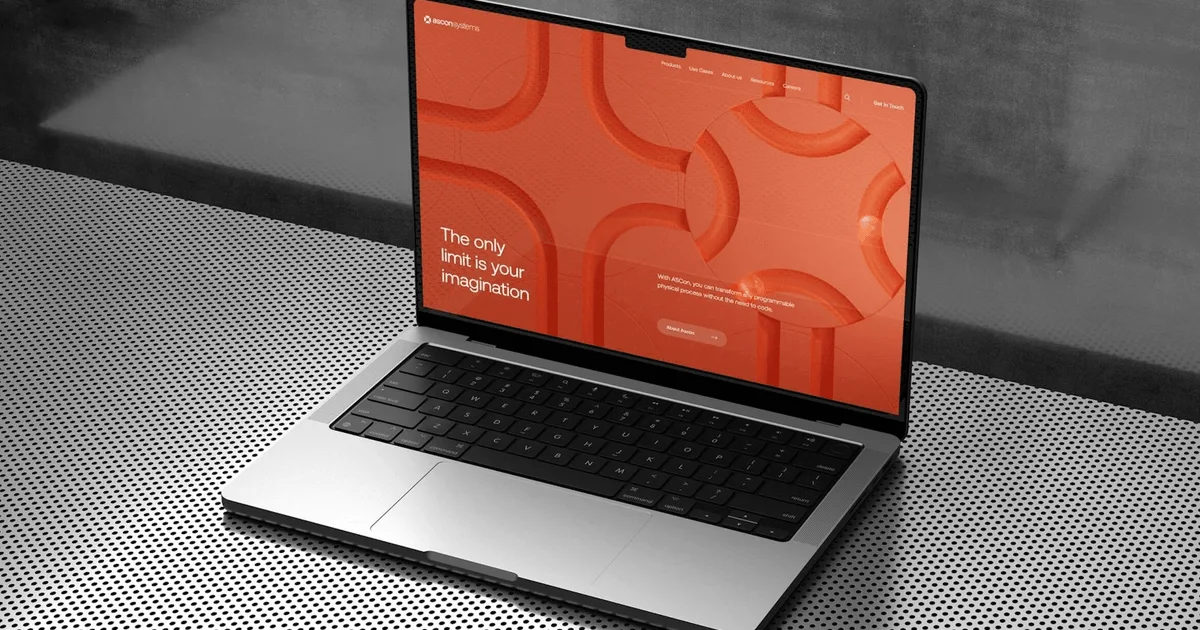
The web design trends that matter for UK businesses in 2026 are accessibility-first design under WCAG 2.2, Core Web Vitals as a design constraint, AI-powered personalisation, bento grid layouts, view transitions, and scroll-driven animations. Aesthetic fads like brutalism and heavy 3D rarely improve conversions and often hurt them.
- Why 2026 Trends Matter for UK Businesses
- Accessibility as the New Baseline
- Core Web Vitals as a Design Constraint
- AI-Powered Personalisation Done Properly
- Layout Trends: Bento, Brutalism, Glassmorphism
- Motion: View Transitions and Scroll-Driven Animation
- Visual Craft: Variable Fonts, Dark Mode, 3D
- Impact vs Effort Ranking Table
- Common Mistakes to Avoid
- Frequently Asked Questions
Why 2026 Trends Matter for UK Businesses
A Cardiff retailer contacted me last month with a beautiful site built in 2023. Parallax scrolls, a full-screen 3D hero, and auto-playing video. Conversion rate: 0.6%. The design looked current, but it loaded in 7.2 seconds on a mid-range Android handset over 4G in Swansea.
That is the 2026 story in a single example. Trends on Awwwards and Dribbble rarely reflect what actually converts on a UK small business website. This guide separates the trends that improve revenue from the ones that only look good in a case study reel.
The Shift From Aesthetic to Measurable
The 2026 Figma State of Design report shows 71% of product teams now tie design decisions to measurable outcomes: conversion rate, Core Web Vitals, task completion, and accessibility conformance. Five years ago, that figure sat near 38%. Design is becoming an engineering discipline, not a taste contest.
Who This Guide Is For
This article serves UK SMB owners, marketing managers, and in-house designers planning a 2026 refresh. It covers trends a four-person team can actually ship, not agency showreel material that needs a six-figure budget.
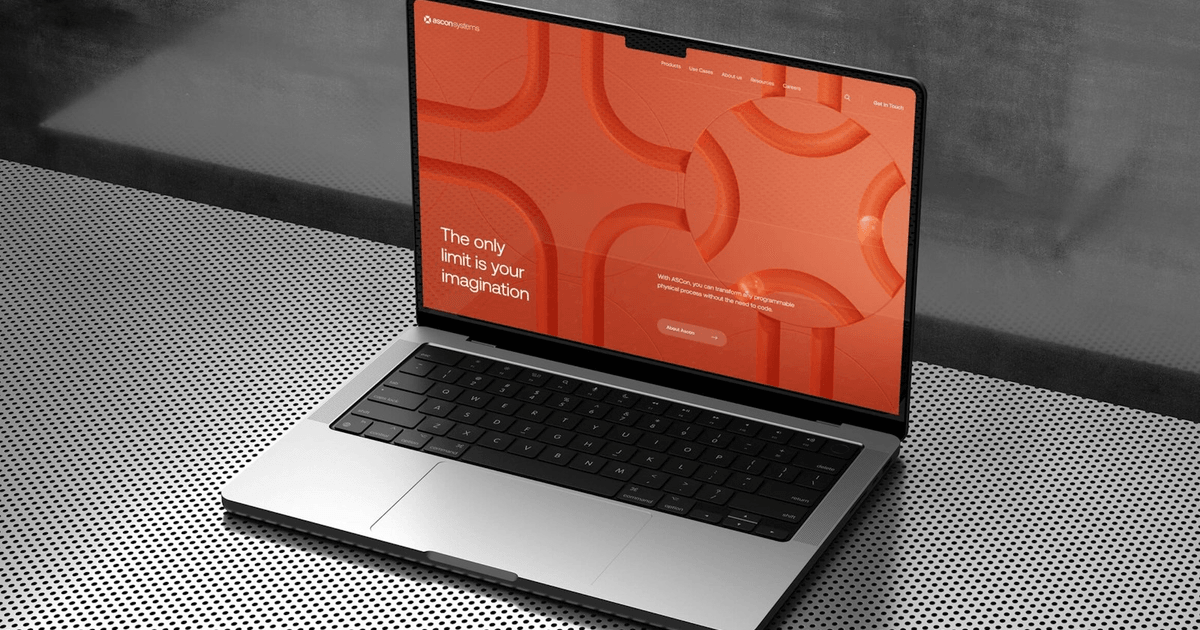
Accessibility as the New Baseline
Accessibility tops this list because it carries legal weight in the UK and compounds every other trend. The Equality Act 2010 already requires reasonable adjustments for disabled users, and the GOV.UK Service Manual sets WCAG 2.2 AA as the public sector minimum.
What WCAG 2.2 Changes in 2026
WCAG 2.2 adds nine new success criteria over 2.1. The ones that bite most on real UK sites are Focus Not Obscured (sticky headers hiding focused inputs), Target Size 24 by 24 CSS pixels minimum, and Dragging Movements needing a single-pointer alternative. The W3C Quick Reference lists every criterion with test procedures.
The Legal and Commercial Case
Around 16 million people in the UK live with a disability according to the Family Resources Survey 2023 to 2024. That is roughly 24% of the population. An inaccessible checkout or booking form loses that market and invites claims under the Equality Act. A Tesco case in 2005 set the precedent; the risk today sits higher.
When to Audit
Run an accessibility audit before any design refresh and again before launch. Tools like axe DevTools, Lighthouse, and WAVE catch roughly 30 to 40% of issues. A human test with keyboard-only navigation and a screen reader catches the rest.
Pro tip: automated accessibility scanners miss most real WCAG failures. Budget two hours of manual keyboard and screen reader testing for every template before you sign off on a design.
Core Web Vitals as a Design Constraint
Google replaced First Input Delay with Interaction to Next Paint (INP) in March 2024. INP measures the worst interaction on a page, not the first one, and it exposes bloated JavaScript far more aggressively. The 2026 thresholds from Google Web.dev are LCP under 2.5 seconds, INP under 200 milliseconds, and CLS under 0.1.
How INP Changes Design Choices
INP punishes heavy scroll listeners, expensive hover effects, and third-party analytics that block the main thread. Many 2023-era animation libraries fail the 200ms threshold on mid-range Android. Modern approaches use CSS scroll-linked animations (no JavaScript) and the View Transitions API (browser-native).
The Real UK Cost of Slow Sites
The Vodafone UK case study on Web.dev documents an 8% sales increase after improving LCP by 31%. For a UK e-commerce store turning over £750,000 a year, that represents £60,000 in additional annual revenue from performance work alone.
We rebuilt a Bristol SaaS marketing site last autumn. The old React build shipped 680KB of JavaScript and scored INP of 340ms. We rebuilt in Astro with islands, dropped to 45KB of JavaScript, and hit INP of 85ms. Organic sign-ups rose 34% in the following quarter with no other changes to content or ads.
AI-Powered Personalisation Done Properly
Every agency sells AI personalisation in 2026. Most implementations are pointless. Swapping a hero headline based on referrer rarely moves conversion by more than noise. The implementations that work deliver different content, not different wrappers.
What Actually Works
Three patterns repeatedly earn their keep on UK SMB sites. First, location-aware pricing and stock for retailers with regional differences. Second, returning-visitor content swaps that surface half-read articles or abandoned quote forms. Third, chat assistants trained on your service documentation that handle out-of-hours enquiries.
The Privacy Angle
UK GDPR and the PECR guidance from the ICO restrict tracking without consent. Personalisation based on first-party session data falls outside PECR for strictly necessary functions, but behavioural targeting needs explicit consent. Design the consent experience first; retrofit is painful.
When to Skip It
If your site handles under 5,000 sessions a month, personalisation rarely pays back the build cost. Improve copy, forms, and speed first. AI personalisation earns its place above that traffic threshold.
Layout Trends: Bento, Brutalism, Glassmorphism
Three layout trends dominated 2025 Awwwards winners and will continue into 2026. Two of them suit UK SMB sites. One does not.
Bento Grids Work
The bento box layout borrows from Apple product pages. Cards of varied sizes sit on a grid, letting a single viewport show features, pricing, social proof, and a call to action at once. CSS Grid with grid-template-areas handles the responsive behaviour cleanly. Conversion benefit comes from density: users see value without scrolling.
Brutalism Is a Showreel Trend
Neo-brutalism with raw typography, harsh borders, and clashing colours looks brilliant on a design studio portfolio. It performs poorly on an accountancy firm in Swindon. Usability research from the Nielsen Norman Group confirms that unconventional layouts slow task completion even when users rate the aesthetic positively. Use brutalism only when your audience rewards novelty over speed.
Glassmorphism Has Matured
The frosted-glass style from 2021 has settled into a restrained supporting role. The 2026 version uses backdrop-filter sparingly behind modals and navigation, not across entire pages. Overuse crushes contrast ratios and fails WCAG. Used once per page, it adds depth without the accessibility cost.
Motion: View Transitions and Scroll-Driven Animation
Motion earned a bad reputation because of heavy JavaScript libraries. Two browser-native APIs change that story in 2026.
The View Transitions API
Chrome, Edge, and Safari now support the View Transitions API, which animates between page states with a few lines of CSS. No framework required, no runtime cost. Same-document transitions cover roughly 92% of global users per Can I Use data from early 2026. Cross-document transitions are rolling out through 2026 in Chromium.
Scroll-Driven Animations Without JavaScript
CSS scroll-timeline and animation-timeline properties bind animations to scroll position at the browser level. The main thread stays free, INP stays low, and the code ships in under 40 lines. Smashing Magazine published a practical primer worth bookmarking.
Respect Reduced Motion
The prefers-reduced-motion media query is not optional. Around 35% of users over 55 enable it on iOS according to Apple accessibility data. Wrap every non-essential animation in an @media (prefers-reduced-motion: no-preference) block. Motion is a feature, not a default.

Visual Craft: Variable Fonts, Dark Mode, 3D
The craft-level trends shape the feel of a site once the structure works. Three deserve attention in 2026.
Variable Fonts Are the New Default
A single variable font file replaces six to ten static weights and styles. Inter, Roboto Flex, and Recursive ship all weights, italic, and optical sizing in one 80 to 120KB file. Google Web.dev documents typical transfer savings of 60 to 75% versus loading four static weights. LCP improves and typographic flexibility expands.
Dark Mode as a First-Class Theme
Roughly 82% of UK users enable dark mode on mobile according to a 2025 Statista survey. A proper dark theme is not an inverted palette. It lowers contrast on large surfaces, increases contrast on interactive elements, and uses warmer accent hues because pure blue on pure black causes halation. CSS custom properties and a prefers-color-scheme query handle the switch.
3D and WebGL, Used Sparingly
Three.js and WebGL remain popular on premium brand sites, but the cost is real. A Three.js scene typically adds 500KB to 1.5MB and pushes mobile INP above 300ms without careful optimisation. Use 3D only when the product is the 3D object (physical goods, architecture, hardware). For everything else, a well-composed photograph converts better.
AI-Generated Imagery and Ethics
AI imagery is cheap and fast, but the UK Advertising Standards Authority treats misleading AI visuals the same as any other advertising claim. Disclose AI-generated people in testimonials, avoid fabricated product shots, and never use AI headshots for real team members. Stock photography or commissioned shoots remain the safer choice for trust-heavy pages like About and Services.
Impact vs Effort Ranking Table
This table ranks the trends covered above by business impact against implementation effort. Impact reflects observed conversion or Core Web Vitals improvement across 100+ Cambria Digital projects. Effort assumes a small in-house team or a single agency sprint.
| Trend | Business Impact | Effort | Start Here? |
|---|---|---|---|
| Accessibility to WCAG 2.2 | High | Medium | Yes, first |
| Core Web Vitals (INP focus) | High | Medium | Yes, first |
| Variable fonts | High | Low | Yes |
| Dark mode theme | Medium | Low | Yes |
| Bento grid layout | Medium | Low | Yes |
| View Transitions API | Medium | Low | Yes |
| Scroll-driven CSS animation | Medium | Low | Yes |
| AI personalisation | High (above 5k sessions) | High | Later |
| WebGL or Three.js hero | Low | High | Rarely |
| Neo-brutalist layout | Negative (most sectors) | Medium | No |
| Full-bleed glassmorphism | Negative | Low | No |

Read this table as a priority order, not a checklist. Accessibility and Core Web Vitals earn their place first because they compound every other improvement. Our guide to the hidden cost of cheap web design covers why skipping the foundation costs more in year two.
Common Mistakes to Avoid
- Chasing aesthetic trends before fixing Core Web Vitals. A brutalist redesign on a 4-second LCP site converts worse than the original.
- Adding AI personalisation to a site with under 5,000 monthly sessions. The build cost never pays back.
- Shipping a 3D WebGL hero without a performance budget. Mid-range Android users abandon before the scene loads.
- Treating accessibility as a final checklist instead of a design input. Retrofitting WCAG 2.2 costs three times the upfront work.
- Ignoring prefers-reduced-motion. Animations that feel premium to you trigger nausea in users with vestibular conditions.
- Using AI-generated headshots for real team members. The UK ASA treats this as misleading advertising.
- Copying an Awwwards winner without understanding the brief. Showreel sites optimise for novelty, not conversion.
Choosing What to Implement First
Start with accessibility and Core Web Vitals. They protect you legally, rank you commercially, and improve every other trend you add later. Then pick two craft-level trends that suit your brand: variable fonts and dark mode cover most SMB sites. Add motion and personalisation only when the foundation scores green.
If you want help scoping the work, our UI and UX design service covers design audits, accessibility reviews, and conversion-focused redesigns for UK businesses. The web development service handles the build. We also explain how much a UK website costs in a dedicated pricing guide.
A Note on Stack Choice
Stack choice shapes every trend above. A WordPress site with a bloated page builder rarely hits INP targets, regardless of the design. A modern Astro, Next.js, or custom stack gives you headroom. Our article on React versus WordPress for Cardiff startups walks through the trade-offs.
7 Frequently Asked Questions
Core Web Vitals improvements, particularly INP under 200 milliseconds, deliver the most reliable conversion lift across UK SMB sites. The Vodafone UK case study documented an 8% sales increase from a 31% LCP improvement. Across our 100+ projects at Cambria Digital, performance work routinely outperforms visual refreshes by a factor of three on conversion rate. Fix the speed foundation before investing in bento grids, motion, or AI personalisation. Every other trend becomes more effective on a fast site, and none of them compensate for a slow one.
The Equality Act 2010 requires all UK service providers to make reasonable adjustments for disabled users, and case law treats websites as services. The GOV.UK Service Manual sets WCAG 2.2 AA as the public sector minimum, and private sector courts use the same benchmark. There is no dedicated Website Accessibility Act for private UK businesses yet, but claims under the Equality Act are rising year on year. Compliance protects you legally, expands your market by roughly 24%, and improves SEO through better semantic structure. Treat WCAG 2.2 AA as a baseline, not a ceiling.
Only above roughly 5,000 monthly sessions. Below that threshold, the build cost for meaningful personalisation outweighs the conversion gains, and statistical significance becomes impossible to measure. Small UK businesses see better returns from improving copy, fixing forms, and hitting Core Web Vitals targets. Start with an AI chat assistant trained on your FAQs and services for out-of-hours enquiries. That single addition costs under £2,000 and recovers its build fee within a few months on most service businesses. Scale to full personalisation once traffic justifies the experiment.
Yes, when implemented with CSS Grid and sensible breakpoints. Bento grids use grid-template-areas to reorder cards at mobile widths, collapsing the asymmetric desktop layout into a vertical stack. The mistake to avoid is hard-coding card positions with absolute values or fixed heights. Modern CSS makes the layout fully responsive with around 30 lines of code. Tap targets must meet the WCAG 2.2 minimum of 24 by 24 CSS pixels, and cards should carry sufficient padding to avoid accidental taps. Tested properly, bento layouts perform identically to traditional section-based pages on mobile.
Dark mode has no direct SEO impact. Google does not rank light and dark versions differently. The conversion benefit comes from user comfort. Roughly 82% of UK mobile users enable dark mode, and serving a properly designed dark theme reduces bounce on evening and overnight sessions. A naive inverted palette often hurts conversion by crushing contrast ratios and breaking brand recognition. Build the dark theme as a first-class design, not a toggle added at the end. Use CSS custom properties, respect prefers-color-scheme, and test every component in both themes against WCAG 2.2 contrast targets.
Use 3D when the product is the 3D object. Architecture practices showing buildings, hardware brands showing devices, or furniture retailers showing items in a room all benefit from interactive 3D. For everything else, a well-composed photograph or illustration converts better at a fraction of the performance cost. Three.js typically adds 500KB to 1.5MB and pushes mobile INP above 300 milliseconds without aggressive optimisation. That cost rarely pays back on a service business site. If a 3D hero is essential, budget for a proper performance review and a reduced-motion fallback.
A full redesign every three to four years suits most UK SMBs. Minor iterative updates should run continuously: new sections, improved copy, performance tweaks, accessibility fixes. The signs that a full refresh pays back are falling conversion rates despite steady traffic, failing Core Web Vitals that a code clean-up cannot rescue, accessibility debt that blocks WCAG 2.2 conformance, and brand evolution that outgrew the original design. A refresh driven by boredom or a shiny trend rarely earns its fee. A refresh driven by measured problems almost always does. Audit the data before committing budget.
Planning a 2026 website refresh for your UK business? At Cambria Digital, I have led 100+ production projects over 13 years, and every modern build starts with accessibility, Core Web Vitals, and a clear conversion goal before a single visual trend gets added. Book a free 30-minute discovery call and I will audit your current site against the 2026 standards in this guide, then tell you exactly which trends deserve your budget and which ones to skip.