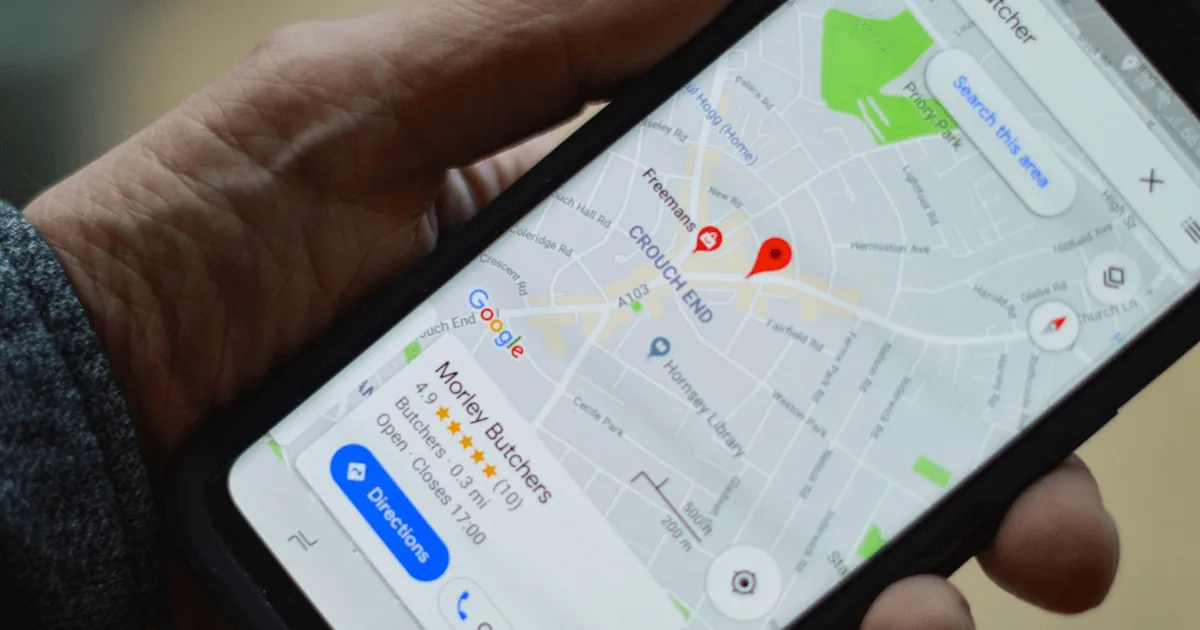
Local SEO for UK businesses in 2026 rests on three pillars: a fully optimised Google Business Profile, consistent NAP citations across Tier 1 UK directories like Yell and FreeIndex, and a steady stream of recent reviews. Do these three things well and you capture the 46% of Google searches that carry local intent.
- Why Local SEO Matters for UK Businesses
- Inside the Google Local 3-Pack
- Google Business Profile Optimisation
- NAP Consistency and UK Citations
- On-Page Local SEO and Schema
- Local Link Building in the UK
- Reviews: Generation and Management
- Local Content Strategy
- Tracking Local SEO Performance
- The 90-Day UK Local SEO Plan
- Common Mistakes to Avoid
- Frequently Asked Questions
Why Local SEO Matters for UK Businesses
A plumber in Cardiff loses about twelve jobs a week to a rival who sits one spot higher in Google Maps. The work is there. The searches happen every hour. The only difference is which business Google trusts enough to show first.
Local SEO decides that. According to Google Search Central, 46% of all Google searches carry local intent. The BrightLocal Local Consumer Review Survey 2026 finds 76% of people who run a local search on a phone visit a business within 24 hours, and 28% of those visits lead to a purchase the same day.
The Real Cost of Staying Invisible
UK "near me" search volume grew 500% between 2019 and 2025. Most high street categories see more map pack clicks than website clicks. A Bristol dentist with 40 reviews pulls in three times the direction requests of a rival with 8 reviews, even with a weaker website.
Who This Guide Serves
This pillar guide suits any UK business selling to customers in a defined area: trades, clinics, cafes, law firms, accountants, and mobile service operators across Cardiff, London, Manchester, Bristol, Birmingham, Leeds, Edinburgh, and every smaller town.
Inside the Google Local 3-Pack
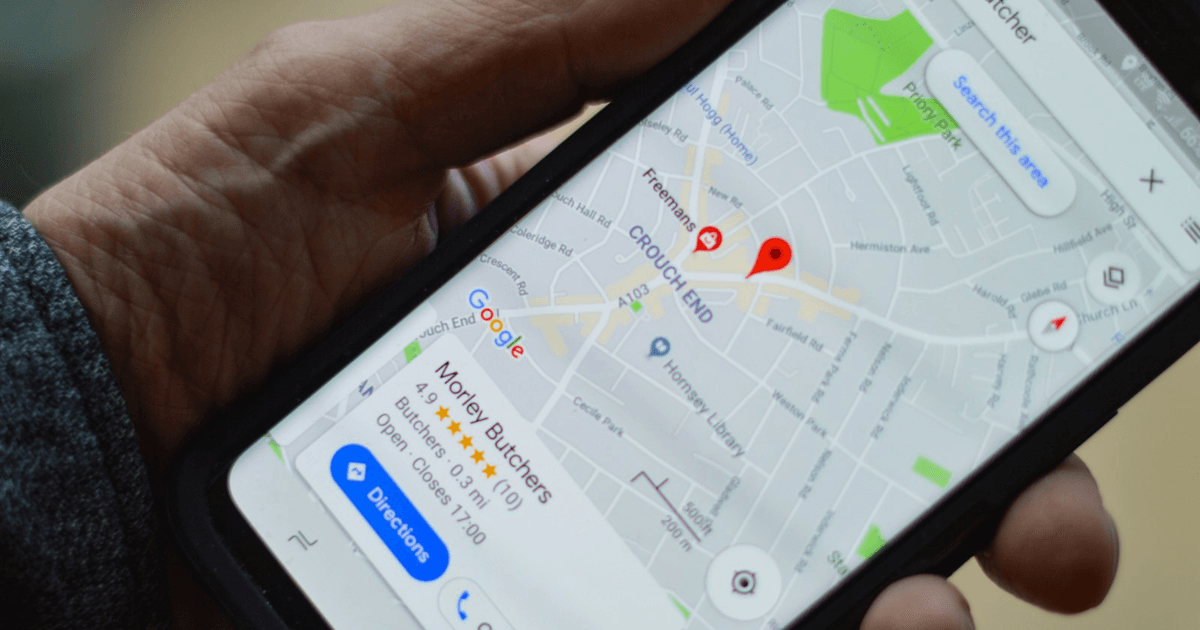
The local 3-pack is the block of three business listings that appears above the standard organic results for any query with local intent. It takes more than half the clicks on a mobile screen. Getting into it is the single biggest lever in local SEO.
How Google Ranks the 3-Pack
Google uses three signals to order the map pack: proximity, relevance, and prominence. Proximity measures the distance between the searcher and the business. Relevance measures how closely the profile and website match the query. Prominence measures the overall authority built through reviews, citations, links, and brand signals.
Ranking Factor Weights
The Whitespark Local Search Ranking Factors 2025 study gives a clear weighting for the average UK business.
| Factor | Weight | What It Covers |
|---|---|---|
| Google Business Profile signals | 32% | Primary category, keywords in business name, proximity to searcher, profile completeness |
| On-page signals | 19% | NAP on site, title tags, local schema, city landing pages |
| Review signals | 16% | Review count, velocity, diversity, keywords in reviews, owner responses |
| Link signals | 11% | Inbound anchor text, domain authority, quantity of local backlinks |
| Behavioural signals | 11% | Click-through rate, mobile clicks to call, check-ins, dwell time |
| Citation signals | 7% | Directory volume, NAP consistency, citation authority |
| Personalisation | 4% | Searcher history and device context |
Google Business Profile Optimisation
Google Business Profile counts for almost a third of local ranking power. Treat it as the front door of the business, not a one-off form fill.
Claiming and Verification
Head to business.google.com and claim the listing. UK verification usually happens by postcard (5 to 14 days), video call, or live video upload. Never accept a third-party offer to verify on the owner's behalf, as it breaks Google's guidelines and risks suspension.
Primary Category Is the Biggest Lever
Primary category carries more weight than any single on-page element. A web design agency picks "Website designer", not "Marketing agency". A chiropractor picks "Chiropractor", not "Clinic". Secondary categories add supporting relevance. A Cardiff garden centre might add "Landscape designer" and "Plant nursery" alongside the primary.
Services, Photos, Posts and Q&A
Fill every service field with its own description. Upload at least 20 photos covering exterior, interior, team, and work samples. Post weekly updates. Seed the Q&A section with real questions customers send by email, so the business controls the answers before strangers do.
Pro tip: name each photo file with a descriptive phrase before upload, such as "cardiff-dental-reception-front-desk.jpg". Google reads the filename as a weak relevance signal.
NAP Consistency and UK Citations
NAP stands for Name, Address, Phone. A citation is any online mention of the business that lists those three details. Google cross-checks citations to confirm the business is real and active. Inconsistent NAP weakens trust and drops rankings.
The One True NAP Rule
Pick one exact format and use it everywhere. "Cambria Digital Ltd, 3 Cathedral Road, Cardiff, CF11 9LJ" on the website must match Yell, Facebook, Apple Maps, and the footer of every invoice. "St" versus "Street" counts as a mismatch. So does swapping "Ltd" for "Limited".
Tier 1 UK Citation Sources
Focus first on the highest-authority UK platforms, then layer industry directories on top.
| Directory | Priority | Why It Matters |
|---|---|---|
| Google Business Profile | 1 | The source of truth for every other listing |
| Bing Places | 1 | Feeds Bing, DuckDuckGo and ChatGPT search |
| Apple Business Connect | 1 | Powers Apple Maps and Siri on every iPhone |
| Yell.com | 1 | The largest UK business directory |
| FreeIndex | 1 | High UK trust, strong reviews weight |
| Yelp UK | 2 | Feeds Apple Maps and Alexa results |
| Trustpilot | 2 | Review platform with strong SERP features |
| Cylex UK | 2 | General UK directory with domain authority |
| Thomson Local | 2 | Legacy UK directory still indexed |
| Scoot | 2 | Feeds multiple UK data partners |
| 192.com | 3 | Syndicated UK business data |
| Hotfrog UK | 3 | Basic directory, quick to fill |
Tools like Moz Local, BrightLocal, and Whitespark push data to most of these at once. Manual submission still wins for the top three because it lets the owner hand-pick the category and upload photos.
On-Page Local SEO and Schema
Google Business Profile drives the map pack. The website drives the local organic results that sit just beneath it. Win both and the business takes two slots on page one.
Title Tags, Headings and Copy
Every important page needs the city or service area in the title tag. "Emergency Plumber in Bristol | Same Day Call Outs" beats "Home | Bristol Pipes Ltd". H1 follows the same rule. Body copy mentions the city two to four times across 800 words. Never stuff the postcode into every sentence.
LocalBusiness Schema Markup
Schema is structured data that tells search engines exactly what the business is, where it sits, and when it opens. Add LocalBusiness JSON-LD to the homepage and ContactPage schema to the contact page. Use sub-types where they apply, such as Dentist, Plumber, Restaurant, or ProfessionalService. The Google structured data docs list every field.
Location and Service Area Pages
A business that serves three cities needs three pages, not one. Each page needs unique copy, unique testimonials, unique case studies, and a Google Map embed centred on that city. Copy-paste pages with only the place name swapped trigger Google's doorway page filter and get deindexed.
We rebuilt the location structure for a South Wales flooring company in early 2026. The old site had one "Areas We Cover" page listing 14 towns. We replaced it with 14 individual pages, each with a local project photo, a postcode-specific title tag, and LocalBusiness schema. Map pack impressions jumped 180% in 60 days and quote requests from Newport alone doubled.
Local Link Building in the UK
Local links carry the same weight as generic SEO backlinks, plus a geographic relevance bonus. A link from the Cardiff Chamber of Commerce beats a link from an unrelated US blog every time.
Chambers, Councils and Trade Bodies
UK Chambers of Commerce publish member directories. Business Wales, the Federation of Small Businesses (FSB), and the Institute of Directors do the same. Membership costs £150 to £500 a year and returns a durable, high-authority link alongside real networking.
Sponsorships and Local Media
Sponsoring a junior football team in Swansea or a charity 10K in Manchester usually earns links from the event site, the charity site, and any local news coverage. WalesOnline, Manchester Evening News, and the Bristol Post regularly cover small business stories with a genuine angle.
Resource-Based Link Bait
Build one asset other local sites want to link to. A Cardiff accountant publishes a Making Tax Digital checklist for Welsh sole traders. Within months, local solicitors, business coaches, and university careers pages link to it.
Reviews: Generation and Management

Reviews drive 16% of local ranking weight and a much larger share of click-through rate. The BrightLocal 2026 survey finds 87% of UK consumers read reviews before choosing a local business, and 73% only trust reviews written in the past 30 days.
The 18-Day Cadence Target
Google rewards review recency. The goal is a new verified review every 18 days, on average, throughout the year. For a busy clinic that means 20 new reviews a year. For a solicitor it might mean 10. The cadence matters more than the total count, because a profile with 300 reviews and nothing new in six months loses ground to a fresh rival.
Asking at the Right Moment
Ask right after the customer says thank you. Send a short SMS or email with the direct Google review link, which any business can generate from inside the Google Business Profile dashboard. One line of text, one link, no survey. Response rates sit between 15% and 35% when asked at the peak moment.
Responding to Every Review
Reply to every review, good and bad, within 48 hours. Google confirms owner responses as a ranking signal. A calm, specific reply to a one-star review often wins more trust than a dozen five-star reviews. Never argue, never blame, and always offer to move the conversation offline.
Warning: never offer discounts, freebies, or prize draws in exchange for reviews. It breaks Google, Yelp, and Trustpilot policies and risks a full profile suspension.
Local Content Strategy
Local content earns links, supports schema, and answers the long tail of city-specific queries that service pages cannot cover on their own.
City Landing Pages That Actually Rank
Each city page needs at least 800 words of original copy, a unique H1 with city plus service, two local testimonials, one case study from the area, a Google Map embed, and a photo that shows the team working in that location. Generic pages fail. Pages with genuine local proof rank.
Blog Topics That Work Locally
The best local blog posts mirror real search intent. A Cardiff letting agent writes "Cardiff rental market report Q1 2026" and updates it quarterly. A Manchester restaurant writes "Best vegan brunch near Deansgate". A Bristol electrician writes "Electrical safety rules for Georgian properties in Clifton". Each piece earns links from local blogs and Google News.
Case Studies as Local Proof
Case studies do double duty. They add local entities to the site and they close the sale for visitors who arrive through the map pack. A short case study with the client's first name, area, and result beats a long page of vague benefits.
Tracking Local SEO Performance

Local SEO rewards measurement. Without tracking, the owner cannot tell the difference between a month of luck and a month of real progress.
Google Business Profile Insights
The Performance tab inside Google Business Profile shows searches, calls, direction requests, website clicks, and message counts. Track each metric month over month. A rising call volume with flat impressions usually means better profile quality. A flat call volume with rising impressions means the profile looks weaker than the competition.
Google Search Console and Analytics
Google Search Console tracks impressions and clicks for local keywords. Filter for queries containing the city name to see true local performance. Google Analytics 4 tracks landing page behaviour. Pair both with a simple spreadsheet that records monthly map pack rankings for the top ten service plus city combinations.
Local Rank Trackers
Generic rank trackers report national positions. Local SEO needs geo-specific tracking. BrightLocal, Local Falcon, and Whitespark run grid searches across 25 to 100 points inside the city, catching weaknesses a single-point check misses.
The 90-Day UK Local SEO Plan
A brand new campaign needs a sequence, not a scatter. This 90-day plan suits any UK SMB starting from zero or close to it.
Days 1 to 30: Foundation
Claim and fully complete Google Business Profile. Lock one exact NAP format. Submit to the Tier 1 directories in the table above. Add LocalBusiness schema to the homepage and contact page. Fix title tags on all key pages. Request the first wave of reviews from the five most recent happy customers.
Days 31 to 60: Content and Citations
Publish city landing pages for every served area. Submit to the Tier 2 directories. Publish two local blog posts. Set up local rank tracking. Begin a weekly Google Business Profile post cadence. Keep asking for reviews on an 18-day rhythm.
Days 61 to 90: Links and Momentum
Join the local Chamber of Commerce and FSB. Pitch one sponsorship or charity partnership. Reach out to three local bloggers or news sites for a guest feature. Audit the first 30 days of data inside Google Business Profile Insights. Replace any photos that underperform. Compare map pack rankings to the baseline.
A Newport dental practice ran this exact 90-day plan with our team at Cambria Digital in late 2025. They started at position 11 for "dentist Newport" with 14 reviews. At day 90 they sat at position 3 with 41 reviews and a 47% rise in direction requests. No paid ads, no black-hat tricks. Just the basics done without shortcuts. For more on why so many local campaigns stall, read our deep dive on why 90 percent of Cardiff businesses fail local SEO.
Common Mistakes to Avoid
Common Mistakes to Avoid
- Keyword stuffing the business name on Google Business Profile. Google catches it and suspends listings with no warning.
- Running inconsistent NAP across directories. One wrong postcode on Yell breaks the whole trust graph.
- Creating near-duplicate city pages. Google treats them as doorway pages and drops them from the index.
- Ignoring negative reviews. Silence reads as guilt to the next hundred people who view the profile.
- Buying citation packages from overseas sellers. They ship links from low-quality directories and often cause Google penalties.
- Using a virtual office address. Google's guidelines require a physical location staffed during opening hours.
- Skipping schema markup because the site already ranks nationally. Local SEO needs LocalBusiness structured data regardless of national visibility.
- Setting up the profile once and walking away. Local SEO rewards ongoing photos, posts, reviews, and replies.
7 Frequently Asked Questions
A new Google Business Profile with full optimisation often moves inside the first 30 days, because Google favours complete profiles in sparse categories. Competitive UK cities such as London, Manchester, and Birmingham usually need 90 to 180 days for meaningful map pack movement, driven mainly by review velocity and citation depth. A well-run 90-day plan lays the foundation, and a 12-month plan delivers the compounding gains. Owners who give up at month two usually call back 18 months later asking why a cheaper rival now owns the map pack.
DIY local SEO costs nothing except time. An owner following this guide spends around 20 hours in month one and 4 hours a month after. UK freelancers usually charge £400 to £900 a month. A specialist UK agency retainer sits between £900 and £2,500 a month, depending on locations and content output. One-off single-location setups run £1,500 to £3,500. Avoid anything priced under £200 a month, because it usually means outsourced citation blasting with no reporting or strategy behind it.
Yes and no. Storefronts such as cafes, dentists, and shops must display a real address staffed during opening hours. Service area businesses that travel to clients, such as plumbers, cleaners, and mobile mechanics, may hide the address under a service area, but still need a genuine registered location behind it. Virtual offices, mailboxes, and co-working desks without dedicated staff break Google's guidelines and usually trigger a hard suspension that takes weeks to appeal.
Tier 1 is Google Business Profile, Bing Places, Apple Business Connect, Yell.com, and FreeIndex. These five cover the bulk of UK search, voice, and map traffic. Tier 2 adds Yelp UK, Trustpilot, Cylex, Thomson Local, and Scoot. Industry platforms matter on top: Checkatrade, MyBuilder, and Rated People for trades, Clutch for agencies, TripAdvisor for hospitality. Fix Tier 1 first, because those alone cover around 70% of typical UK local visibility.
More than the competitor above you in the map pack. For most UK service categories that means 40 to 80 reviews for a top three placement, though some London categories need 200 plus. Recency beats total count. A profile with 45 reviews and three new ones this month usually outranks one with 180 reviews and nothing in the past six. Aim for a new verified review every 18 days, reply within 48 hours, and focus on Google first, then industry sites such as Trustpilot or Checkatrade.
A disciplined owner can run local SEO alone for the first year. Google Business Profile, citations, and reviews do not need a specialist. Tasks that usually justify hiring help are schema implementation, city landing pages, technical audits, and link building. A good UK agency earns its fee when growth plateaus at months six to nine, as the marginal work shifts from easy wins to tougher content and links. Start DIY, track monthly, and bring in help when the data shows solid foundations but flat growth.
Yes, and the signals overlap more than they differ. AI Overviews pull from the same knowledge graph that powers Google Business Profile, so a clean profile with strong reviews appears inside AI answers as well as the map pack. ChatGPT search uses Bing, which makes Bing Places essential. Apple Intelligence uses Apple Business Connect. Winners in 2026 keep NAP consistent across every platform, because each AI tool pulls from a different source and inconsistencies confuse all of them at once.
Local SEO is the highest-return marketing channel available to most UK small businesses. At Cambria Digital we build and manage local SEO campaigns for clients across Cardiff, Wales, and the wider UK. Our SEO and digital marketing service covers Google Business Profile optimisation, citation cleanup, local content, schema, and monthly reporting. Book a free 30-minute local SEO audit and we will show you exactly where you stand against your nearest three rivals and which fixes earn the quickest wins.